About Birch & Surkaj
A gathering place on Læsø, where everyone is welcome
Birch & Surkaj is a restaurant, a café and a microbakery in the old dairy in Byrum on Læsø. We cook with our sleeves rolled up and both feet on the ground, and we believe you should be able to sense the thought behind every detail. Whether you drop in for a cup of coffee, a loaf to take home or a full meal, you should feel welcome. We are a team of real people, not trying to be something we are not.
01 History
02 The building
Chapter One
History
Steffen
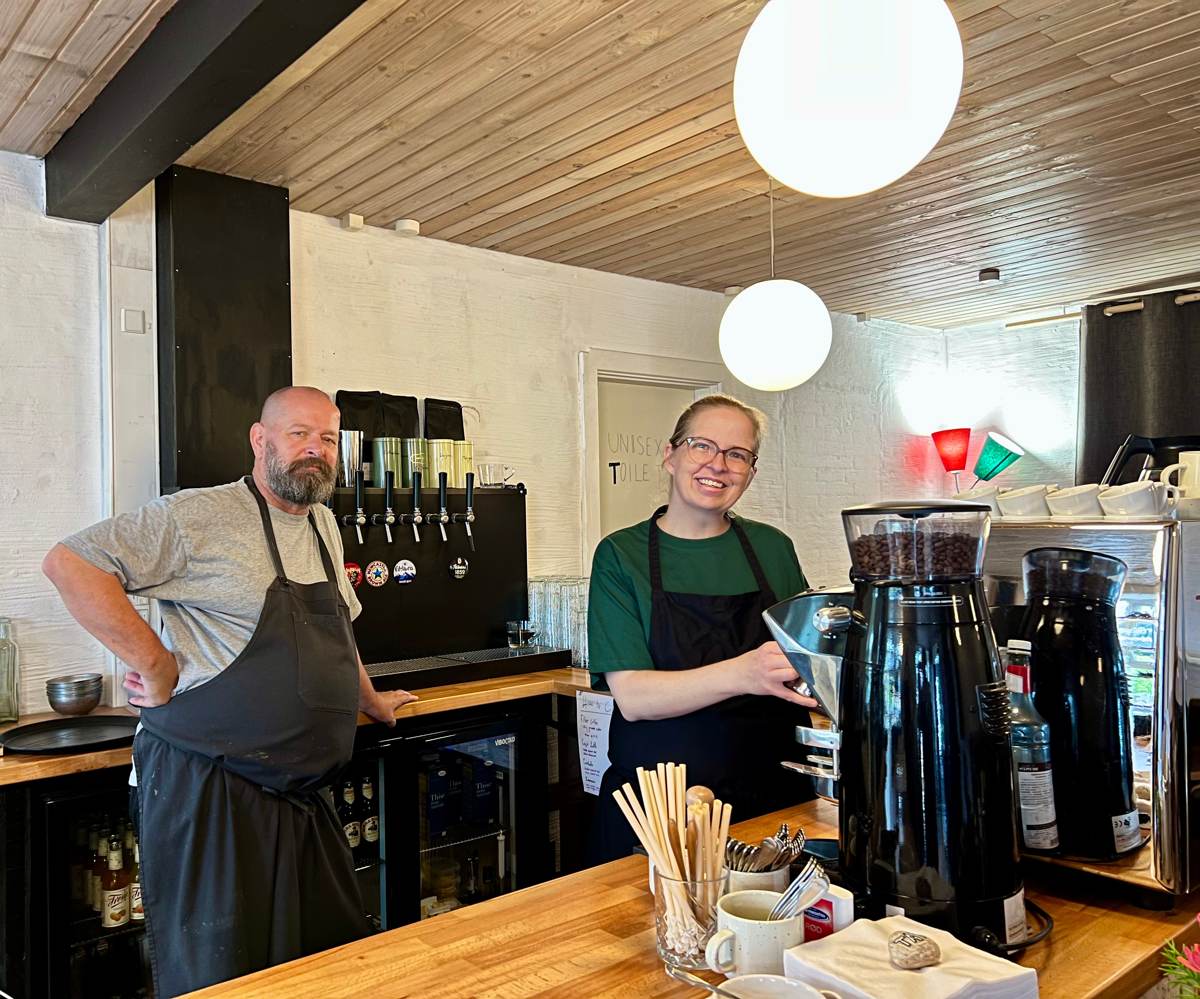
Steffen spent his childhood on Læsø. His parents ran Ahlmanns Super in Vesterø, a small supermarket with its own butcher’s counter, and that is where he learned early what good produce is worth. The road led to Copenhagen and The Plaza Hotel, where he trained as a chef under Søren Gericke among others. From there followed a life as chef and head chef in restaurants and hotels at home and abroad — from Bagatelle in Oslo to Søllerød Kro and the Maksoud Plaza Hotel in São Paulo, Brazil.
Mille
Mille is from Silkeborg and moved to Copenhagen in 2001 to train as a chef, among other places at Hilton Copenhagen Airport and Restaurant Thorvaldsens Hus. She qualified in Aarhus at Mefisto in 2005 and has since worked as a chef and head chef. Around ten years ago she truly discovered her love of sourdough bread, and she has been refining it ever since. Her wheat sourdough is called Surkaj and is a small, living part of the house, one that needs care and time, just like all good craft. For Mille there is almost nothing better than baking bread and cakes, making good coffee and giving guests an experience that feels honest and present.
Together
Steffen and Mille met in 2005 at Vejers Strand. Together they lived and worked in São Paulo, running their own business focused on Nordic food, before returning to Denmark. Læsø has come to play a growing part in their lives in recent years, and Mille in particular fell in love with the calm of the island, one of the places where there is still time to spare. They had long talked about opening a place together here, and with Birch & Surkaj they are here to stay.
The name Birch & Surkaj
The name brings their two stories together. Birch is a tribute to Børge Birch, the well-known Copenhagen gallerist whom Steffen knew through his parents, and who once helped him into Hotel Plaza and opened the door to the profession. Surkaj is Mille’s wheat sourdough. Together the name stands for gratitude, roots and direction.
Chapter Two
The building
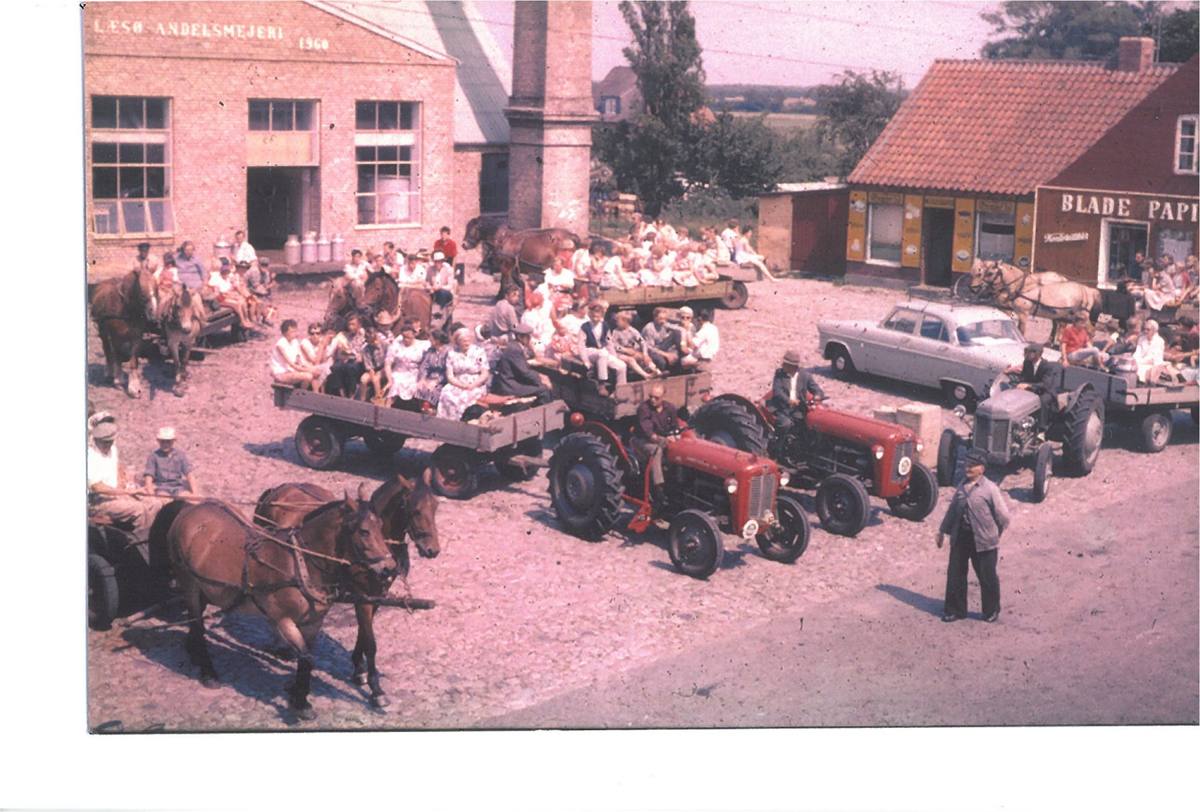
Birch & Surkaj is housed in the old dairy in the middle of Byrum, on Mejeripladsen. We lease the dairy building, and it was precisely the raw surroundings in the middle of the island that appealed to us. The place had been on our minds for a long time, and when the chance came, we took it.